
 Image 1 of 3
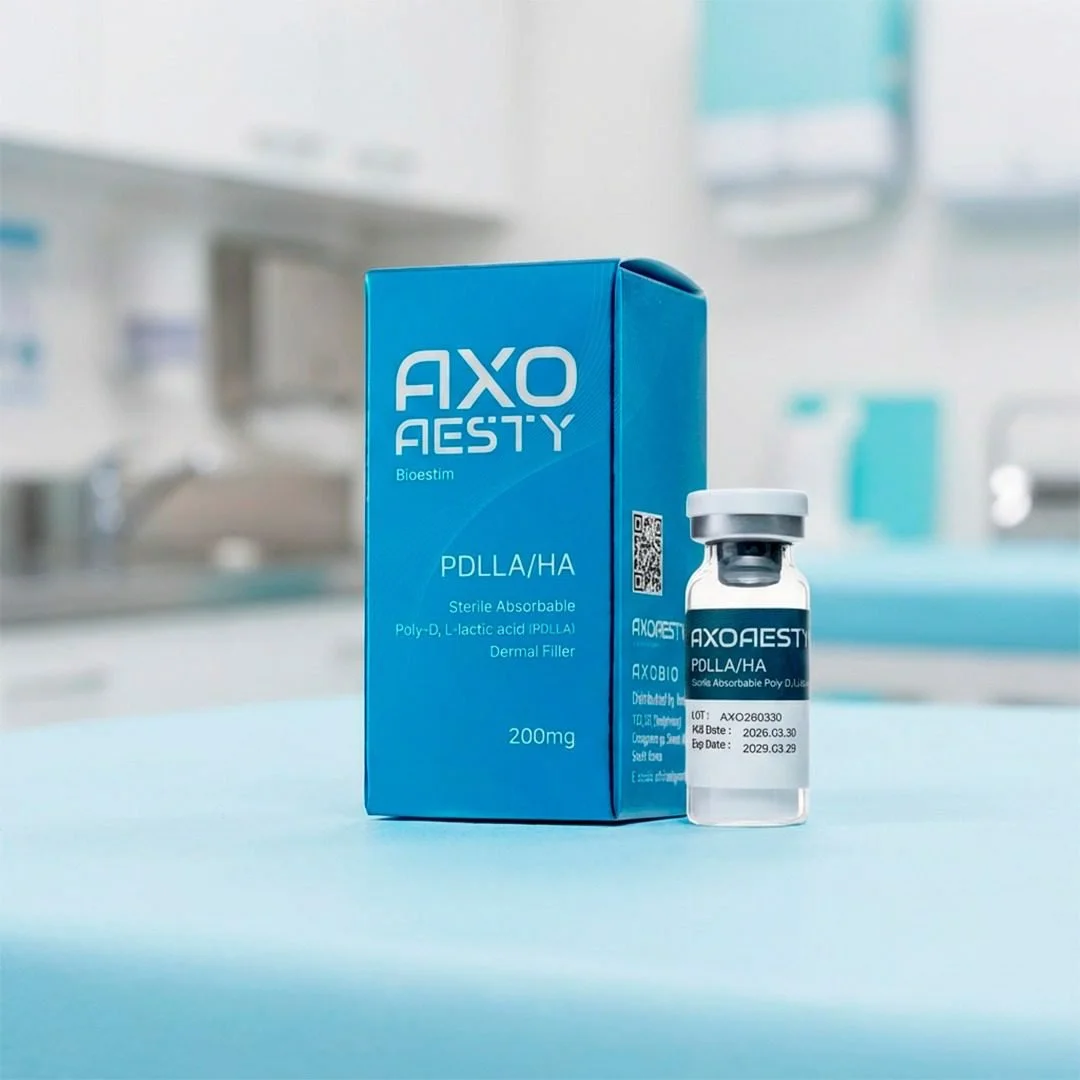 Image 2 of 3
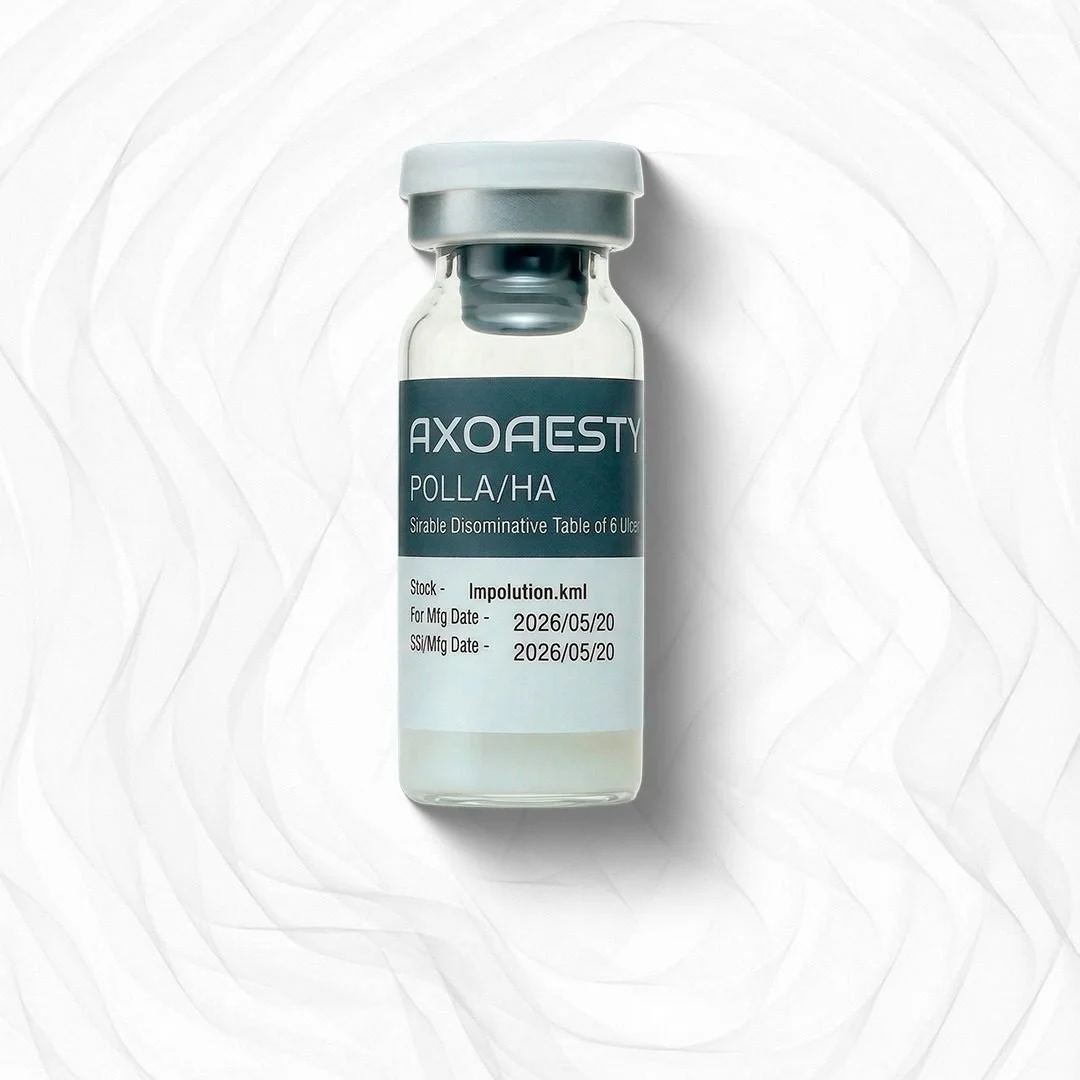 Image 3 of 3
Description
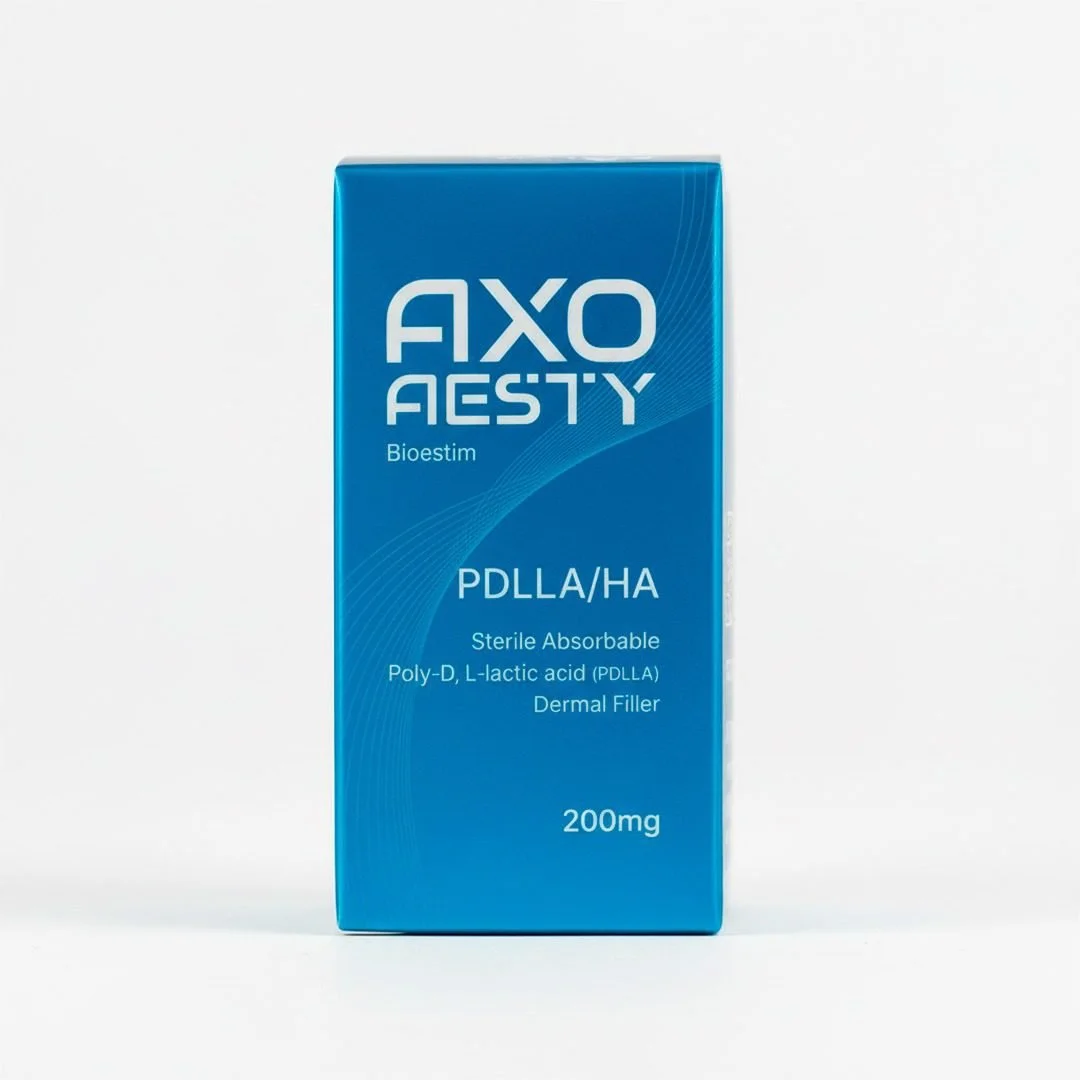
Product nature: A new-generation injectable dermal biostimulator combining poly-D,L-lactic acid (PDLLA) with 15% hyaluronic acid (HA), offering a dual action of deep biological regeneration and immediate structural support.
PDLLA mechanism: PDLLA is a biocompatible and completely biodegradable synthetic polymer, recognized in dermatological literature for its ability to induce a controlled subclinical inflammatory response after dermal infiltration. This response progressively activates fibroblasts and promotes neocollagenesis—primarily of type I and type III collagen—in addition to stimulating the reorganization of the extracellular matrix. Preclinical studies have demonstrated that PDLLA also induces angiogenesis by upregulating HSP90, HIF-1α, and VEGF, thus promoting dermal microcirculation. Unlike PLLA (poly-L-lactic acid, semicrystalline), PDLLA is amorphous, exhibits more homogeneous and predictable degradation through hydrolysis to lactic acid (subsequently metabolized to CO₂ and H₂O), resulting in more uniform outcomes and a lower risk of non-inflammatory nodules.
Role of HA 15%: It acts as a vehicle, providing immediate hydration, improving tissue viscoelasticity in the first few weeks, and facilitating homogeneous distribution of the PDLLA microspheres, reducing the risk of focal accumulation. The hybrid PDLLA+HA combination has emerged as one of the leading trends in biostimulation for 2026, as it provides immediate patient comfort while PDLLA exerts its sustained regenerative effect.
Instructions and How to Use
Clinical indications: mild to moderate skin laxity, loss of structural volume, deterioration of dermal quality (thinning, loss of elasticity, dullness), intrinsic and extrinsic aging. Applicable to the face (cheeks, nasolabial folds, jawline), neck, décolleté, and backs of the hands. Contraindicated for lips, glabella, and eyelids.
Reconstitution and application protocol: reconstitute with 8 ml of sterile water for injection plus 1 ml of lidocaine, shake until a homogeneous suspension is obtained. Allow to stand for the recommended time for optimal hydration of the particles. Preferred application with a 23G cannula in the subdermal/supraperosal planes using a linear or fan-shaped retrograde technique, with post-infiltration massage according to the manufacturer's protocol. Standard protocol: 2 sessions with an interval of 4–6 weeks; maintenance sessions every 12–18 months.
How to use it
Expected results: progressive improvement in firmness, density, and texture from the first weeks. Neocollagenesis reaches its peak between 3 and 6 months post-treatment, with a histologically proven increase in type I and III collagen around the PD-LA particles. Progressive tightening effect without artificial volume. Lasts up to 24 months.
Distinctive advantages: genuine dermal restructuring (not just a filling effect); objective increase in dermal thickness measurable by ultrasound; improved elasticity and firmness; integration with natural skin retraction; low adverse event profile compared to traditional PLLA. Ideal as a base treatment in advanced anti-aging protocols and combinable with HA fillers, skin boosters, Botox, and energy therapies.